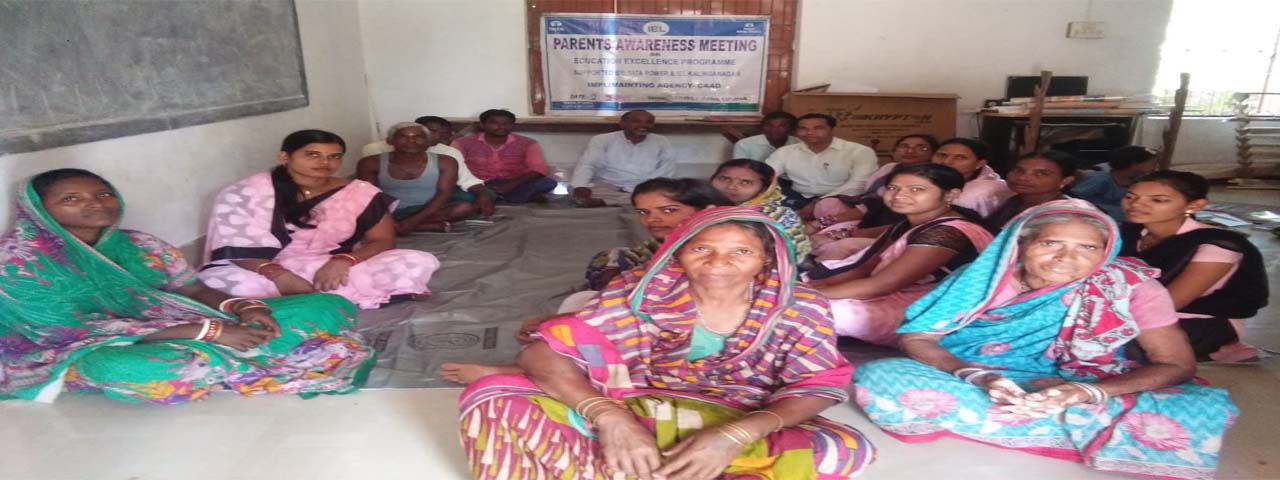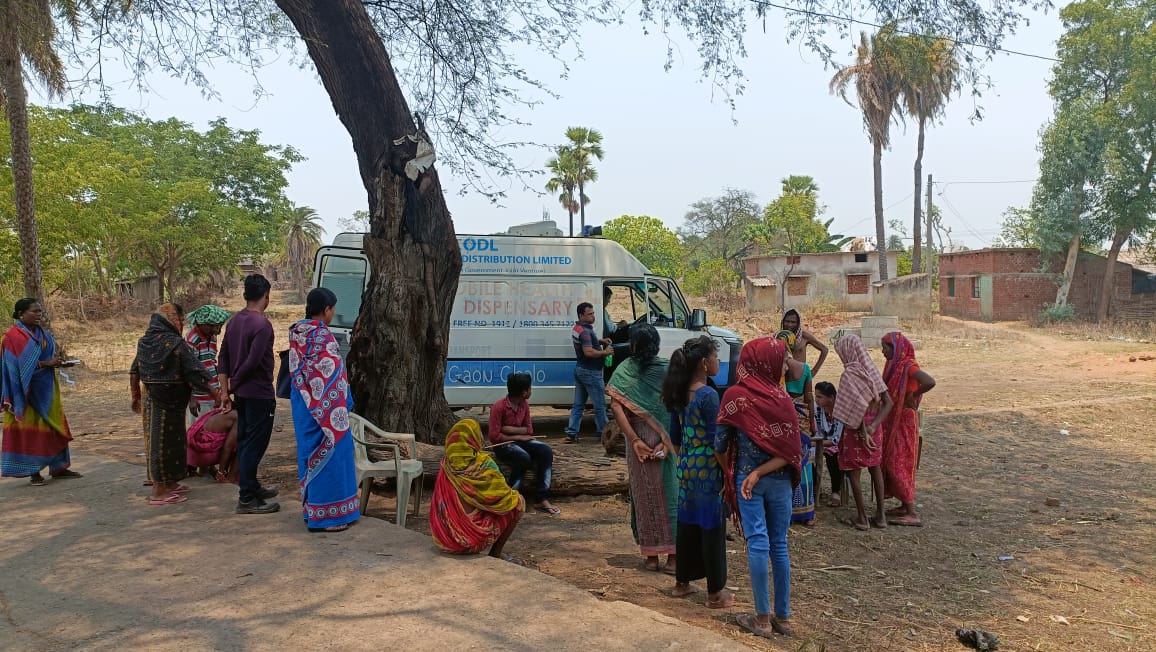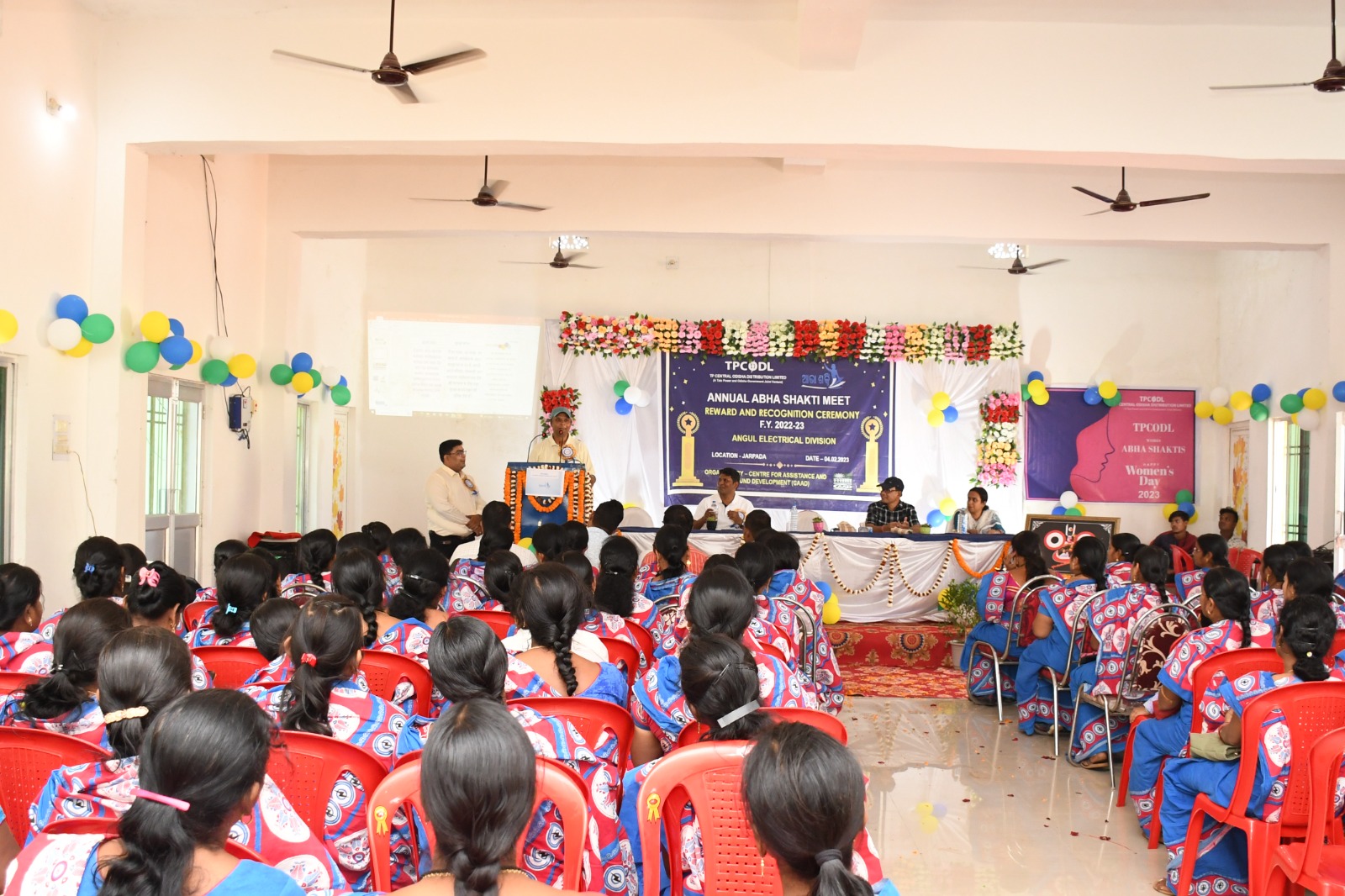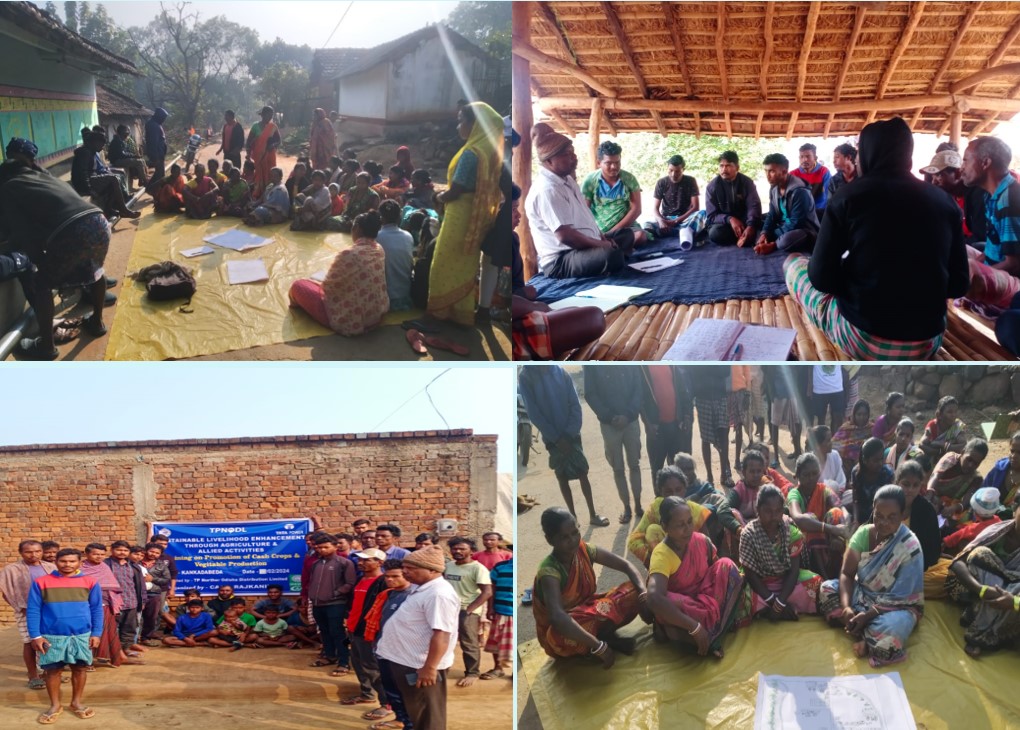
We do focus on the all-round development of the rural communities through education, school dropout, sustainable livelihoods.

Students Enrolled and Benifited out of Education Excellence Program

Women Empowerd Through Livelihood Programs

Saplings Planted including Bamboo

Patients Registered and Received Treatments from Expert Doctors

The marginalized communities in the era when Chandrayan 2 has already been launched, are way behind the mainstream societies from standard of living perspective. This is due to the financial status of the families of these communities. Due to unavailability of enough scope for livelihood, the people of the marginalized communities suffer a lot to provide education, food and health facilities to their kids. As a result, the kids are forced to earn for their family instead of going to school. This increases child labor and decreases literacy rate as well. At the same time,in the Twenty first century, every individual needs to be skilled enough to manage the square meals and compete with the people of mainstream society. Literacy rate is directly proportional to the livelihood. The more literacy rate, the better standard of living.
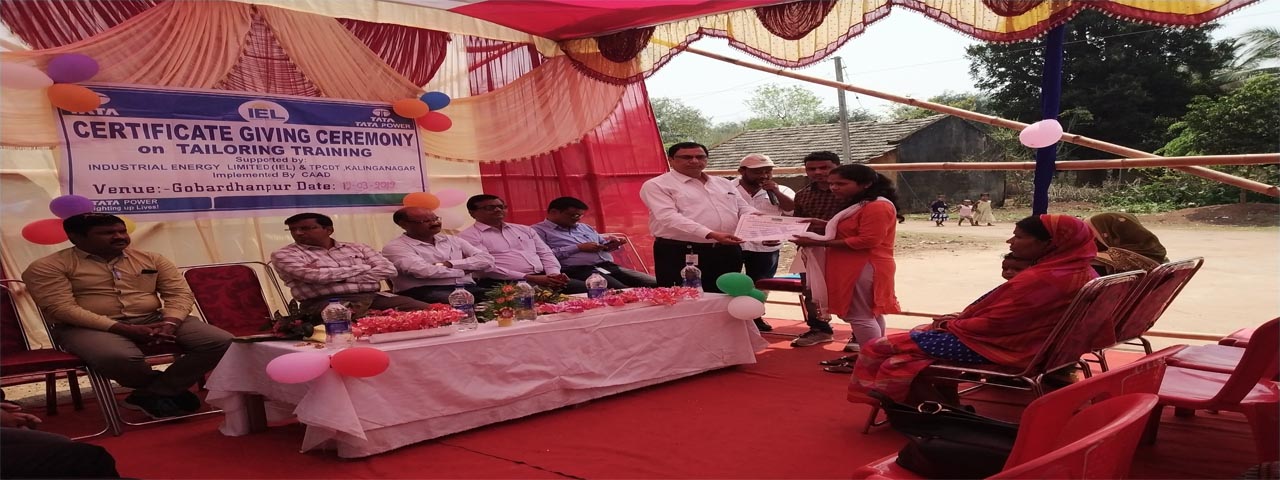
EMPLOYMENT THROUGH TAILORING TRAINING:
Women empowerment is very essential to strengthen the economy of
poor families of the scheduled tribe and scheduled caste
communities.
The proposed project aims at emphasizing
capacity building of women to improve the livelihood of the
marginalized communities through tailoring training. This
program has been implemented by the expert trainers with
realistic approach aiming at the clothing requirements of the
localities. The proposed project would be implemented in
Kalinganagar and its neighboring socially economically backward
populated areas in Jajpur district of Odisha. As per a current
news report, the unemployment rate is at the peak in last 40
years.There are high chances of job cut in textile industry that
contributes second maximum employment after cultivation sector. In
order to create employment and improve financial health of the
marginalized communities, this livelihood program has been
designed.


DIGITAL LITERACY PROGRAM: The finest way to strategize for teaching digital literacy to rural communities include improving the usage of digital infrastructure in rural areas, providing necessary digital training facilities and devices for underprivileged citizens, offering employment benefits to the communities to boost participation, conducting learning modules of digital literacy programs, well-trained teachers and instructors in educational institutions, and the role of effective community leaders. Creatin more trainers through proper trainings. Additionally, leveraging networks of supporters and transitioning from explicit to implicit support for children's learning can enhance engagement with digital literacy technologies in rural families. Digital literacy development should involve schools, communities, and Colleges with a focus on common values and sustainable learning.
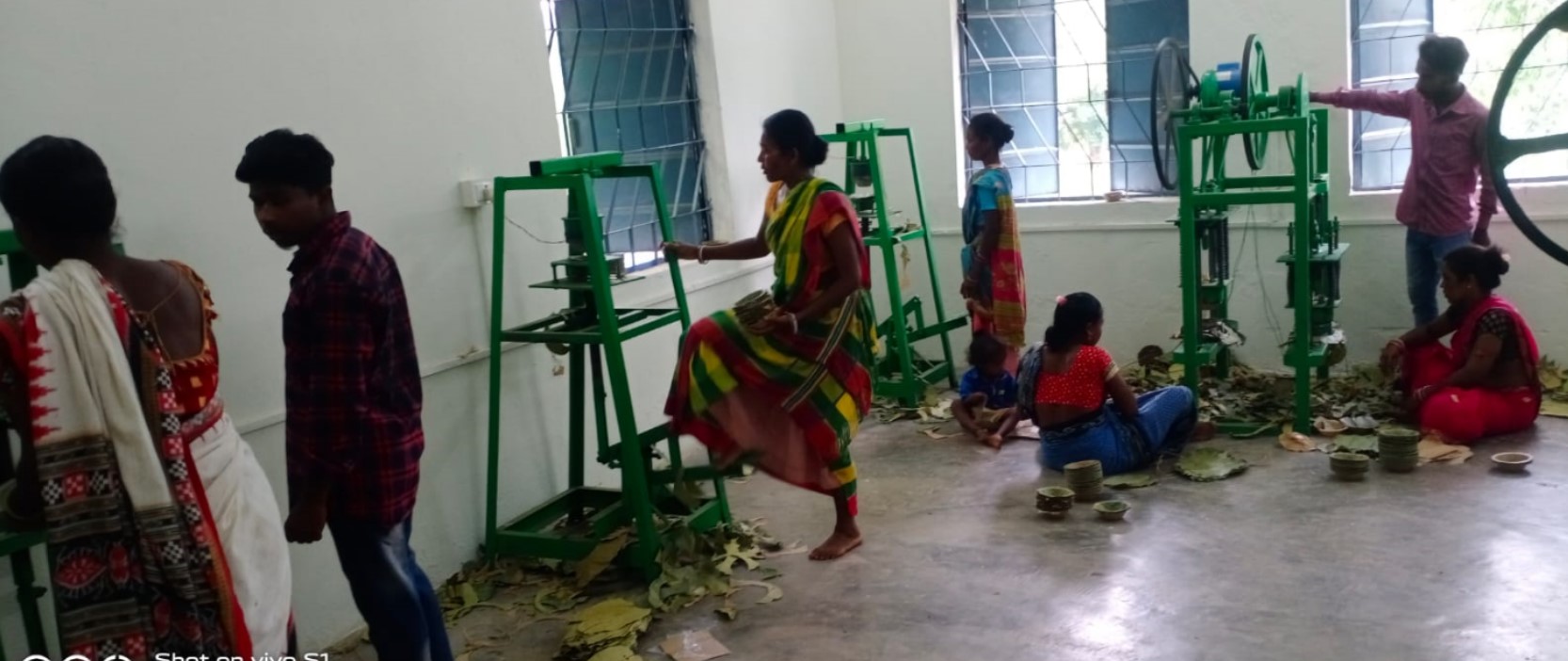
ORGANIC FARMING & ORGANIC PLATE MAKING: Excessive use of pesticides is the root cause of many dreaded diseases primarily Cancer. Not only does organic production help reduce public health risks, increasing evidence shows that food grown organically are rich in nutrients, such as Vitamin C, iron, magnesium, and phosphorus, with less exposure to nitrates and pesticide residues in organically grown fruits, vegetables, and grains. CAAD has been promoting organic vegetable farming through awareness programs and through financial assistance in terms of providing Seeds, organic manure etc. Our NGO (CAAD) has been implementing the interventions in Kendrapara, Mayurbhanj and Bhadrak Districts. In addition to Organic Farming, we are imparting training to marginalized women on organic plate making from SAL leaves which will reduce the use of plastic, paper, thermocool plates, as a result we can create awareness on use of Bio-degradable plates.


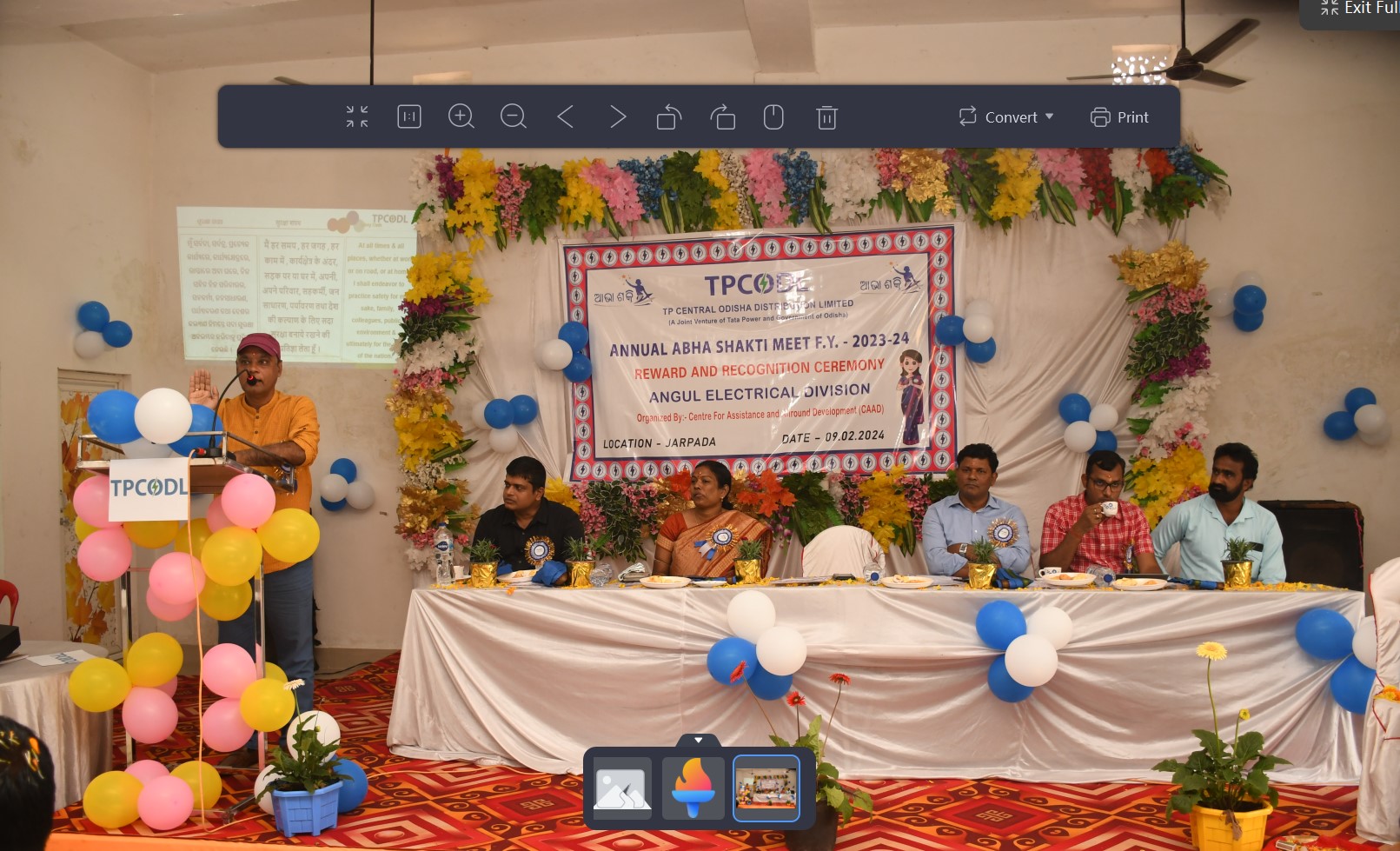
EMPLOYMENT GENERATION AND WOMEN EMPOWERMENT THROUGH MBC ACTIVITIES: The proposed intervention is designed to focus on strengthening the capacity and skills of women, particularly from marginalized and vulnerable communities, through Micro Business Centre (MBC) activities. The core objective is to enhance sustainable livelihood opportunities while promoting financial independence and social empowerment among women. In addition to livelihood generation, the initiative also contributes to improving the efficient use of electricity and reducing instances of power theft at the community level. Under this program, we have been actively engaging with more than 250 women members from Self-Help Groups (SHGs), enabling them to participate in structured livelihood activities linked with energy management and community awareness. The program is currently being implemented in the Angul and Talcher Electrical Divisions with the dedicated support of over 12 trained and motivated young volunteers from CAAD. These volunteers provide continuous technical guidance, mentoring, and monitoring support to ensure effective implementation. Through a practical and community-driven approach, the initiative aims to enhance the performance, efficiency, and income levels of the Women SHG members, while simultaneously strengthening organizational outcomes and long-term sustainability. .
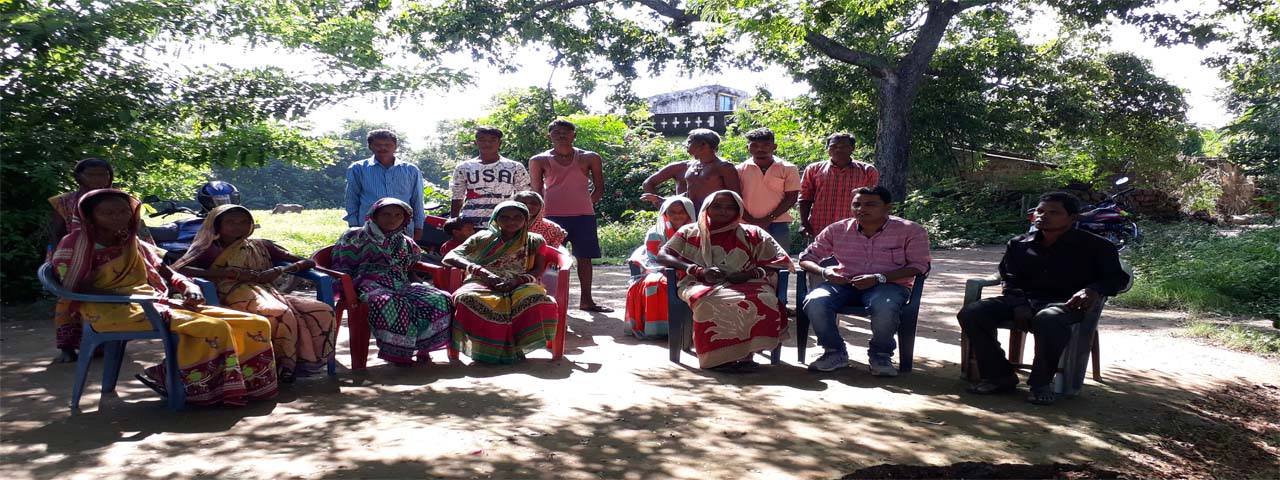
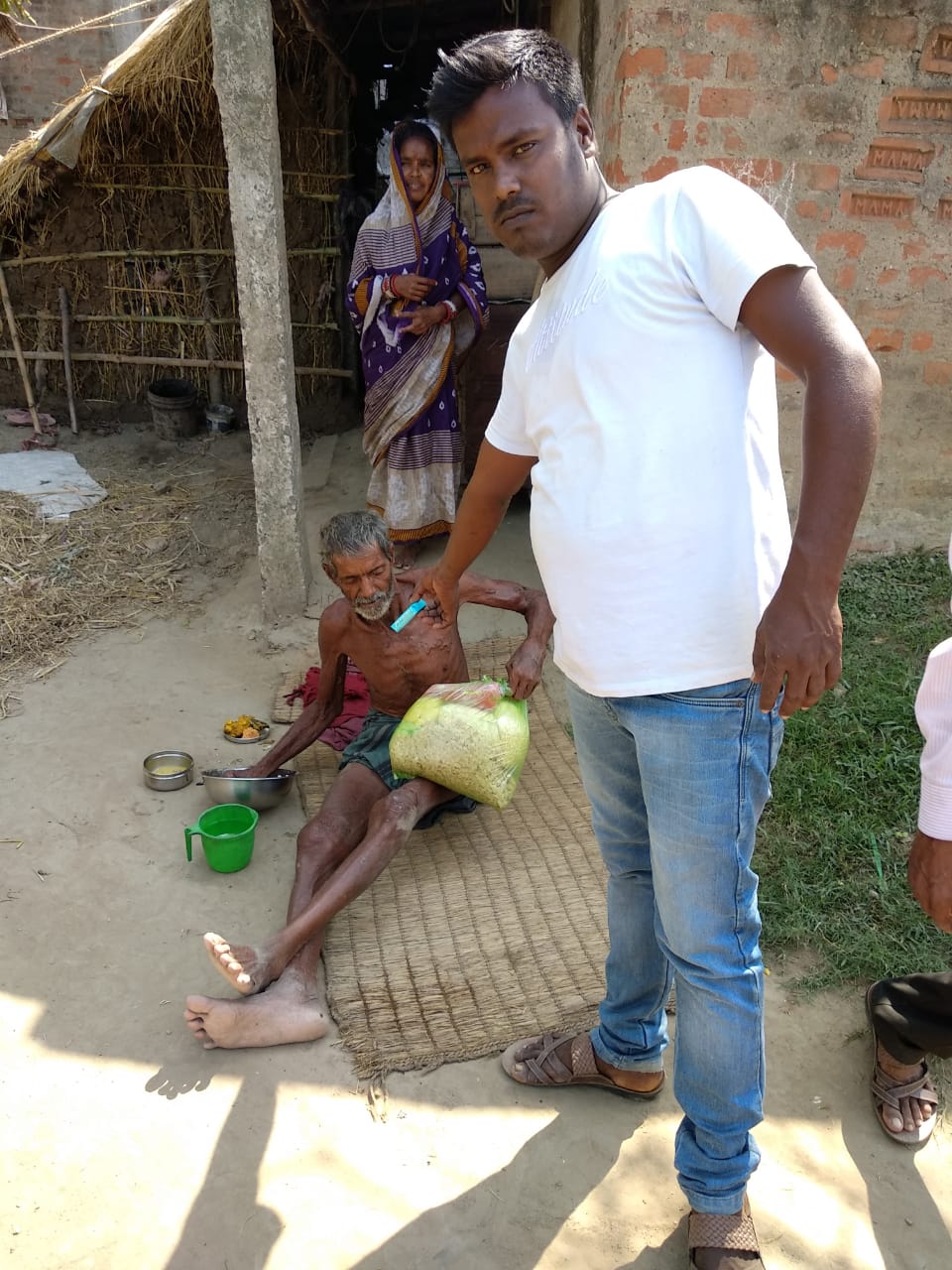
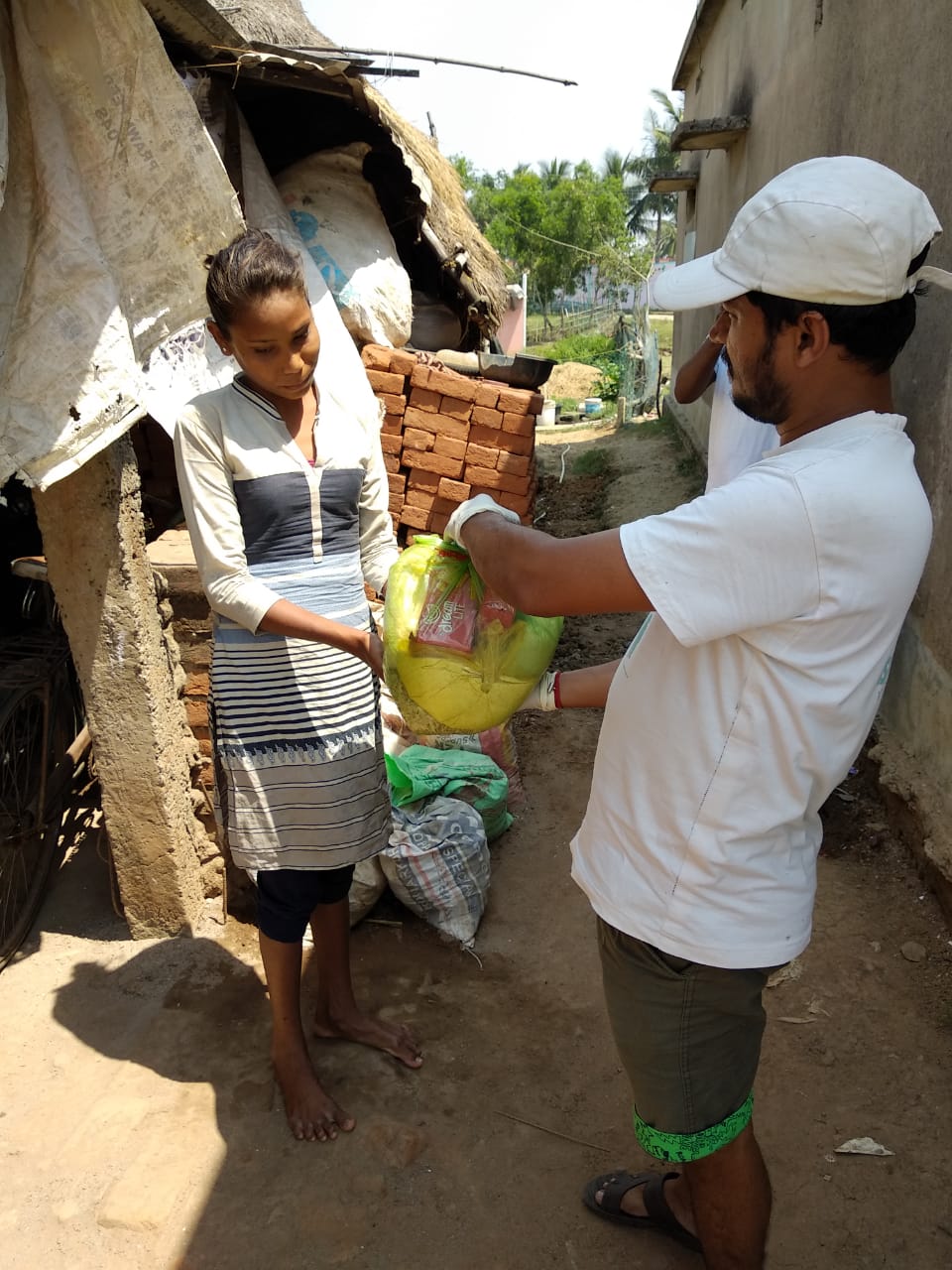
While the entire globe is in the grip of the deadly #COVID19, as a responsible organization, we (#CAAD) continue to reach out to the most vulnerable communities across #Rajkanika block of #Kendrapara District, #Odisha. #migrantworkers are suffering like anything during the lockdown period. The migrant workers in Rajkanika block stay away from the natural human habitats mostly #without #electricity, #water, and basic facilities. Another major problem is that 10 to 15 #migrantlaborers stay under a single #thatchedroof. In addition, we continue to reach out to #widows, #farmers, and all #marginalized communities in providing #DryFood, #Sanitizer, #Mask and making them aware about the guidelines of #COVID19.
CAAD is an established NGO that has been engaged in Educational, socio-economic, people-centric, culturally sensitive and ecologically balanced sustainable development of poor and marginalised people in Odisha for over twenty years. It started working in the Rajkanika block of Kendrapara District in 2000 and was registered as "Centre for Assistance and All-round Development" (CAAD) in the FY 2000-2001.
© 2019 CAAD Odisha. All rights reserved | Designed by Technomindssolutions Pvt Ltd.